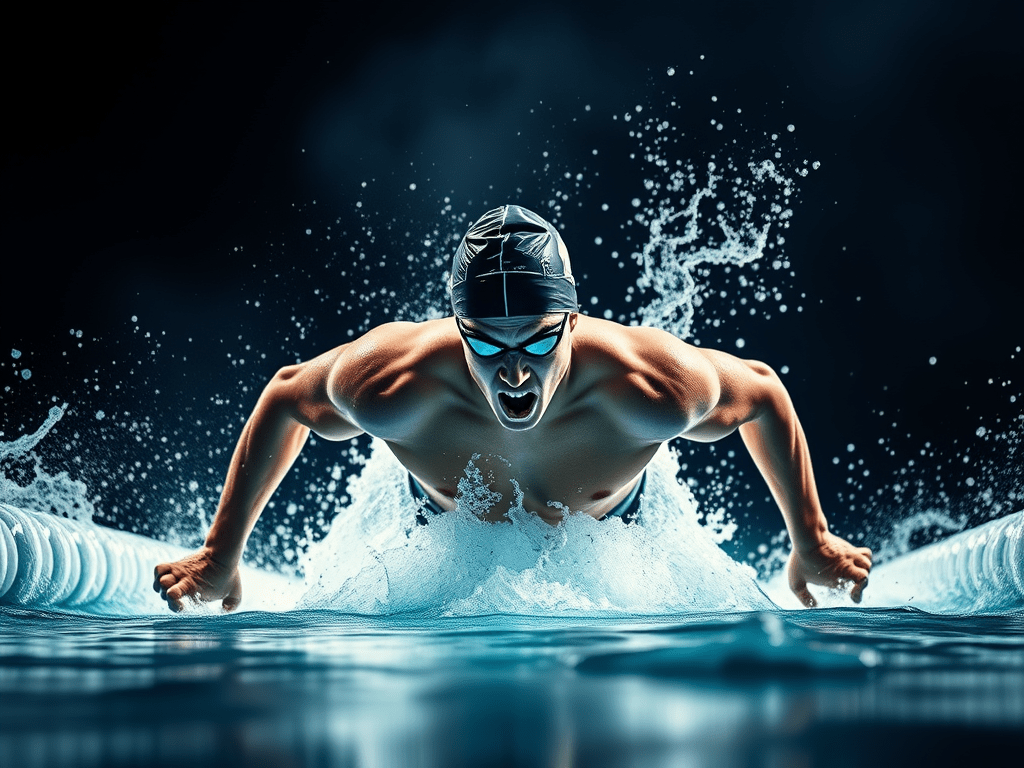
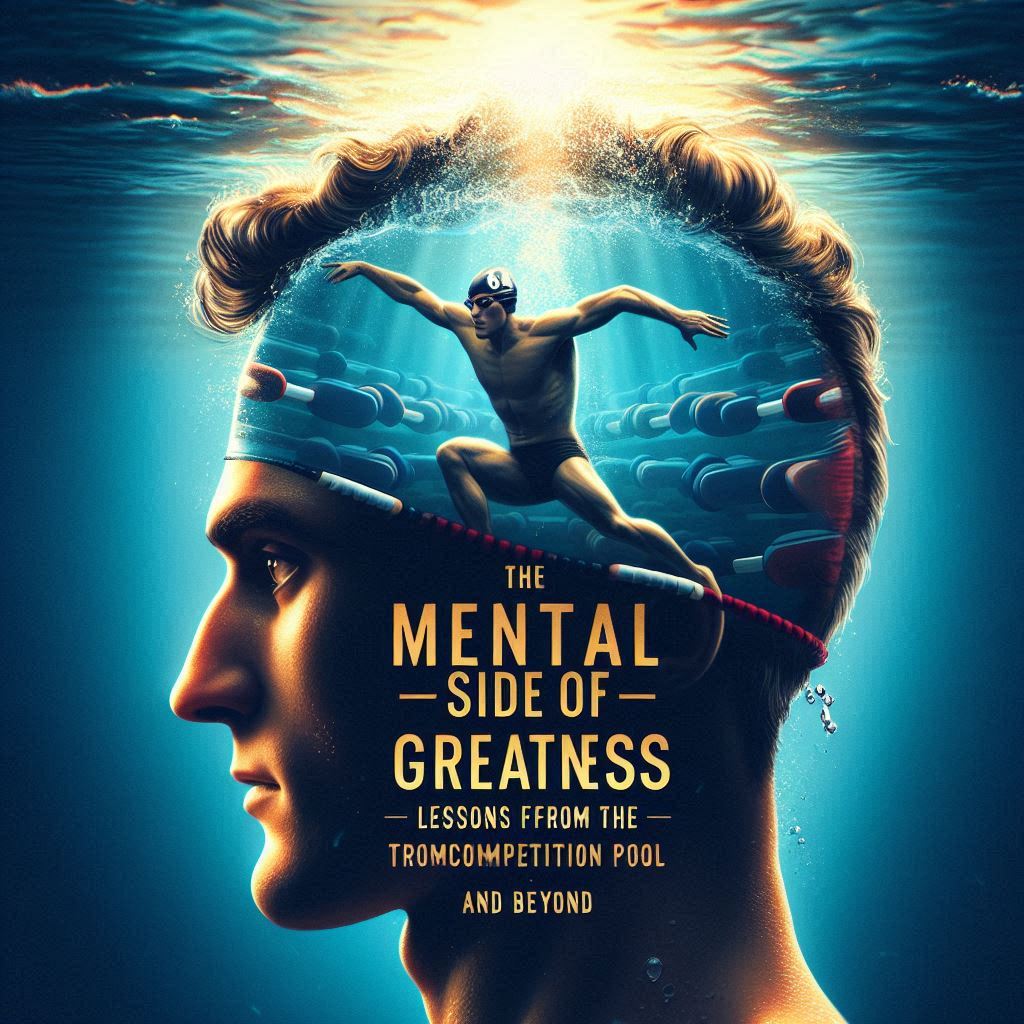
In the world of elite sports and leadership, physical skill is only half the equation. The rest? It’s mental. From my own experience in varsity swimming and leadership roles, I’ve come to realize that the most powerful battles are often the ones we fight in our minds.
As a competitive swimmer, I pushed my body to its limits daily. But it wasn’t just early mornings and tough sets that tested me it was the internal voice, the pressure to succeed, and the challenge of staying locked in when fatigue and self-doubt crept in. That voice never leaves, and mastering it became just as important as nailing a perfect turn or sprinting a final 50 meters.
This brings to mind someone like Michael Jordan. In essence, while many athletes demonstrate strong physical skills and a competitive spirit, Jordan’s unique mental approach relentless competitiveness, a growth mindset, and unwavering focus set him apart and propelled him to legendary status. He wasn’t just physically gifted; he was mentally unbeatable. His ability to control the narrative in his own mind and use every perceived slight as fuel is something every athlete and leader can learn from.
But the truth is, not every great athlete wins the mental game so easily. Take Michael Phelps, the most decorated Olympian in history. On the outside, he was untouchable. On the inside, he battled depression, anxiety, and even suicidal thoughts. After Olympic highs, he faced crushing lows a condition known as post-Olympic depression. Like me, he was diagnosed with ADHD, but unlike many, he chose to speak openly about his mental health struggles. That openness has inspired millions.
Phelps’s story taught me that being mentally strong doesn’t mean being emotionless. It doesn’t mean compartmentalizing pain until it breaks you. At one point, he believed that suppressing emotion would make him a better swimmer. Instead, it nearly destroyed him. Through therapy, mindfulness, and advocacy, Phelps learned and taught that real strength is about balance. It’s about being human first, athlete second.
As someone who’s also faced the pressures of performance, leadership, and living with ADHD, I know what it feels like to be overwhelmed by expectation. I’ve learned that the same focus and consistency that helped me rise through swimming and leadership also have to be applied to my mental health. You can be a fierce competitor and still need help. You can be a leader and still need space to breathe.
The lesson? Mental toughness isn’t about pretending you’re invincible. It’s about recognizing your limits, asking for help, and choosing to grow. It’s about being like Jordan when you need to lock in and like Phelps when you need to let go.
Athletes and leaders alike must learn this balance. The grind will always be there. The voice in your head doesn’t disappear but you can train it, just like any muscle. You can learn to turn pressure into purpose. And maybe, just maybe, you can inspire others to do the same.




 Gordon's Path
Leave a comment